When most people think about diabetes or insulin resistance, they immediately think about blood sugar. If fasting glucose and HbA1c are within the normal range, many assume everything is fine.
But what if your body has already started developing insulin resistance, even while your blood sugar appears perfectly normal?
This is one of the greatest challenges in modern healthcare. Insulin resistance can silently progress for years before conventional blood work detects a problem. During this time, individuals may experience fatigue, weight gain, sugar cravings, brain fog, inflammation, and digestive symptoms without receiving clear answers.
Healthcare practitioners need to look “beyond blood sugar” and investigate the nutritional, metabolic, and environmental factors driving insulin resistance before it progresses to prediabetes or type 2 diabetes.

Insulin resistance begins long before diabetes
Insulin is the hormone responsible for moving glucose from the bloodstream into our cells where it can be used for energy.
Over time, poor diet, chronic stress, inflammation, lack of sleep, environmental toxins, and nutrient deficiencies can make our cells less responsive to insulin [1]. The pancreas compensates by producing more insulin to maintain normal blood sugar levels [1].
The result? Your glucose may remain normal, but your insulin levels continue to climb.
This is why measuring fasting insulin and calculating HOMA-IR (Homeostatic Model Assessment of Insulin Resistance) can identify metabolic dysfunction years before HbA1c becomes abnormal.
The hidden signs of Insulin resistance
Many patients don't initially present with elevated blood sugar. Instead, they report symptoms such as:
- Persistent fatigue
- Afternoon energy crashes
- Difficulty losing weight
- Sugar cravings
- Brain fog
- Increased abdominal weight
- Darkening of the skin around the neck or underarms (acanthosis nigricans)
- Skin tags
- Bloating, constipation, or diarrhea
- Elevated inflammatory markers
These symptoms often point toward metabolic dysfunction despite "normal" routine laboratory testing [2].

why nutritional status matters
Insulin sensitivity depends on hundreds of biochemical reactions occurring every second. These reactions require adequate vitamins, minerals, fatty acids, amino acids, and healthy mitochondrial function (click here for Nutritional Testing).
Several nutrients play particularly important roles.
Magmesium
Magnesium supports insulin receptor activity, glucose transport into cells, and energy production [3]. Low magnesium has consistently been associated with insulin resistance and increased risk of type 2 diabetes.
chromium
Chromium enhances insulin receptor signaling and improves glucose uptake into muscle cells. Low chromium status has been linked with worsening insulin sensitivity [4].
Zinc
Zinc is essential for insulin production, storage, and secretion within the pancreas. Inadequate zinc levels may impair glucose regulation while promoting oxidative stress [5].
While copper is an essential mineral, excessive levels relative to zinc may increase oxidative stress and inflammation [6]. The copper-to-zinc ratio is increasingly recognized as a useful marker when evaluating metabolic health.
functional testing
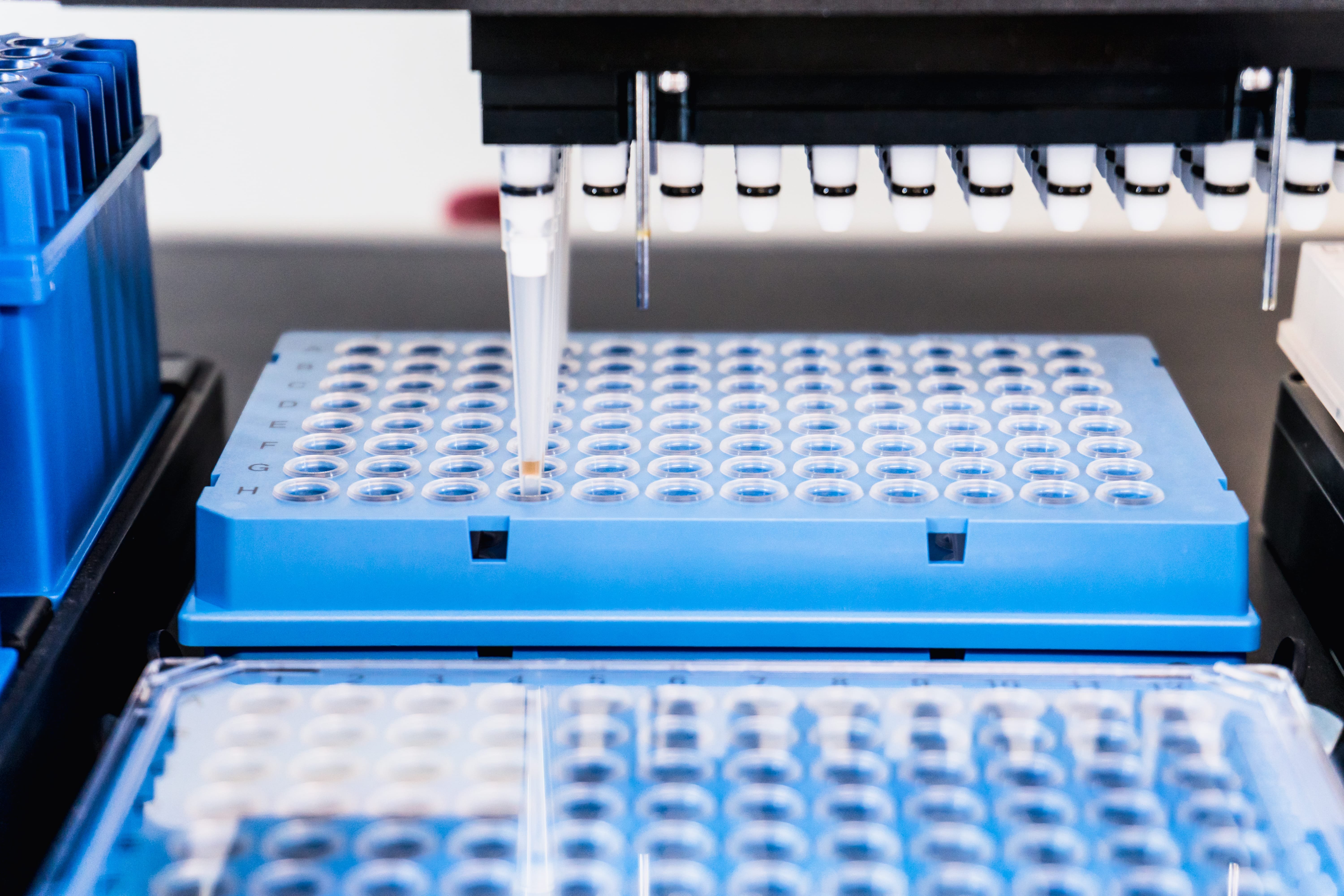
Traditional blood work provides valuable information, but functional tests can offer additional insight into why insulin resistance is developing.
Comprehensive nutritional assessments evaluate:
Together, these markers help identify the underlying contributors that standard laboratory tests often miss.
your gut may be influencing your blood sugar
The gut microbiome plays a surprisingly important role in insulin sensitivity. An imbalance in gut bacteria may increase intestinal permeability ("leaky gut"), allowing inflammatory compounds to enter the bloodstream.
This chronic low-grade inflammation interferes with insulin signaling and contributes to metabolic dysfunction.
Supporting digestive health may therefore become an important part of improving insulin sensitivity.
Healthy mitochondria mean better metabolism
Our mitochondria are responsible for converting food into usable energy.
When mitochondrial function becomes impaired, the body produces energy less efficiently, leading to fatigue, exercise intolerance, and altered carbohydrate metabolism.
Organic acid testing may reveal elevations in metabolites such as pyruvate and lactate, suggesting inefficient energy production and increased reliance on anaerobic metabolism.
Supporting mitochondrial health through nutrition, physical activity, sleep, and targeted supplementation may improve both energy levels and metabolic health.

Environmental toxins can affect metabolism
Emerging research continues to demonstrate that environmental toxins contribute to insulin resistance.
Heavy metals such as mercury, cadmium, arsenic, and lead have been associated with oxidative stress, impaired insulin signaling, inflammation, and pancreatic beta-cell dysfunction [7].
Similarly, endocrine-disrupting chemicals such as phthalates, commonly found in plastics, food packaging, cosmetics, and household products, may interfere with glucose regulation and fat metabolism [8].
Although we cannot eliminate all environmental exposures, reducing toxic burden and supporting the body's natural detoxification pathways may become another important component of metabolic care.

A whole-person approach to insulin resistance
Insulin resistance is rarely caused by a single factor.
Instead, it reflects the combined effects of nutrition, inflammation, stress, sleep, gut health, environmental exposures, genetics, physical activity, and hormonal balance.
Rather than waiting for blood sugar to become abnormal, early assessment allows practitioners to identify these contributing factors while the condition is still reversible.
Lifestyle changes, including resistance training, regular movement, an anti-inflammatory whole-food diet, adequate protein intake, stress management, sleep optimization, and correction of nutritional deficiencies, can significantly improve insulin sensitivity and reduce the risk of future chronic disease.
Early detection provides the opportunity to intervene before prediabetes or type 2 diabetes develops. When we identify and address the root causes of insulin resistance, we are not simply managing blood sugar—we are restoring healthier metabolism, improving energy, and helping patients build a stronger foundation for lifelong health.
References
- Freeman AM, Acevedo LA, Pennings N. Insulin Resistance. [Updated 2023 Aug 17]. In: StatPearls [Internet]. Treasure Island (FL): StatPearls Publishing; 2026 Jan-. Available from: https://www.ncbi.nlm.nih.gov/books/NBK507839/
- Li, M., Chi, X., Wang, Y. et al. Trends in insulin resistance: insights into mechanisms and therapeutic strategy. Sig Transduct Target Ther 7, 216 (2022). https://doi.org/10.1038/s41392-022-01073-0
- Guerrero-Romero F, Tamez-Perez HE, González-González G, et al. Oral magnesium supplementation improves insulin sensitivity in non-diabetic subjects with insulin resistance. A double-blind placebo-controlled randomized trial. Diabetes Metab. 2004;30(3):253-258. doi:10.1016/s1262-3636(07)70116-7
- Fatahi, Mansoureh and Aghajani, Saba and Javaheri, Hoda and Toqroljerdi, Mohammad Hossein Fattahi, The Effect of Chromium Supplements on Insulin Resistance: A Systematic Review and Meta-analysis of Randomized Controlled Trials (October 04, 2025). Available at SSRN: https://ssrn.com/abstract=5563138 or http://dx.doi.org/10.2139/ssrn.5563138
- Daneshvar, Maziar, Ghaheri, M., Safarzadeh, D., Karimi, F., Adib-Hajbagheri, P., Ahmadzade, M., & Haedi, A. (2024). Effect of zinc supplementation on glycemic biomarkers: An umbrella of interventional meta-analyses. Diabetology & Metabolic Syndrome, 16, 124. https://doi.org/10.1186/s13098-024-01366-0
- Kant R, Verma V, Patel S, et al. Effect of serum zinc and copper levels on insulin secretion, insulin resistance and pancreatic β cell dysfunction in US adults: Findings from the National Health and Nutrition Examination Survey (NHANES) 2011-2012. Diabetes Res Clin Pract. 2021;172:108627. doi:10.1016/j.diabres.2020.108627
- Wu Q, Gan R, Chen S, Qiu M, Chen J, Huang D. Associations of metal mixtures with insulin resistance and glucose homeostasis in U.S. adults from the NHANES 2011-2018. Sci Rep. 2026;16(1):2047. Published 2026 Jan 15. doi:10.1038/s41598-025-31637-3
- Gao H, Chen D, Zang M. Association between phthalate exposure and insulin resistance: a systematic review and meta-analysis update. Environ Sci Pollut Res Int. 2021;28(40):55967-55980. doi:10.1007/s11356-021-16252-9


 Dr. Racheal Onah BSc. ND MRN

 Jacqui Evans, Clinical Nutritionist: Oct 27, 2026, 12:11:38 PM

 NutriPATH Pathology