Autism Spectrum Disorder (ASD) is often viewed primarily as a neurological condition, but growing research continues to highlight an important connection between the gut, the environment, and neurodevelopment. Many children with ASD experience chronic gastrointestinal symptoms alongside behavioural and sensory challenges, suggesting that the gut-brain axis may play a larger role than previously understood.
Studies estimate that nearly 50–70% of children with ASD experience gastrointestinal symptoms such as constipation, diarrhoea, abdominal pain, bloating, and reflux [1]. Among these, chronic constipation is one of the most common complaints seen in clinical practice [1]. Interestingly, children with concurrent GI symptoms are also more likely to experience irritability, aggression, sleep disturbances, hyperactivity, and self-injurious behaviours [1].
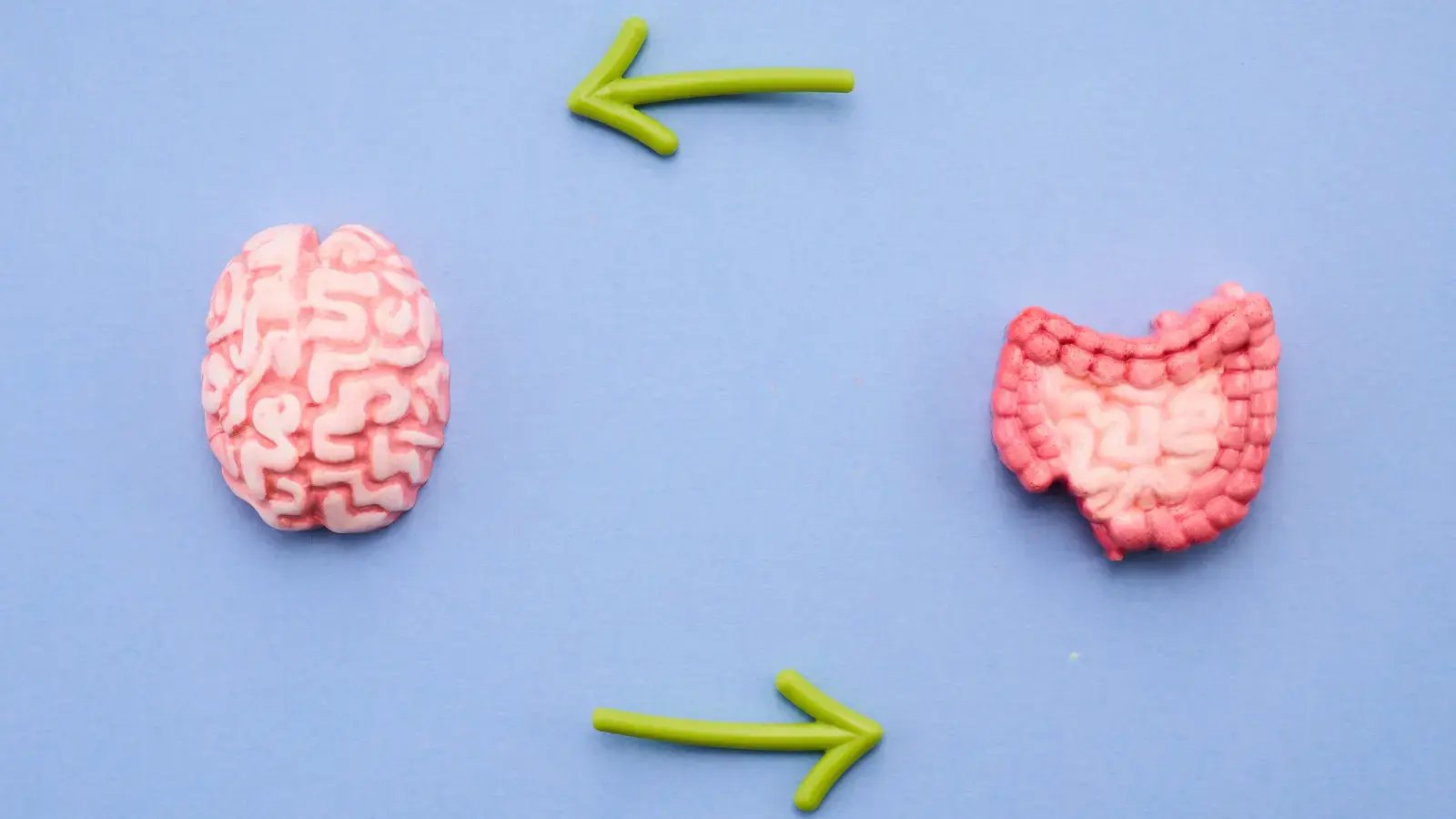
The gut and brain communicate through a complex network called the enteric nervous system. The gut-brain axis consists of the nervous system, immune system, microbiome, and microbial metabolites. The gut microbiome begins developing early in life and plays a critical role in immune regulation, brain development, neurotransmitter production, and intestinal barrier integrity [2].
Beneficial bacteria such as Bifidobacterium, Lactobacillus, Faecalibacterium prausnitzii, and Akkermansia muciniphilahelp produce short-chain fatty acids (SCFAs), support the intestinal lining, regulate inflammation, and influence serotonin and GABA production. However, research has shown that many children with ASD exhibit lower levels of these beneficial microbes and reduced microbial diversity [3].
At the same time, overgrowths of opportunistic organisms such as Clostridium, Candida, Klebsiella, and pathogenic E. coli are commonly observed. These organisms can produce inflammatory and neuroactive compounds that may influence behaviour, cognition, mitochondrial function, and nervous system signaling [3].
One major concern in ASD is altered production of short-chain fatty acids. Butyrate, an SCFA produced by beneficial bacteria, is particularly important because it fuels the cells lining the colon, supports intestinal barrier integrity, and reduces inflammation. Lower butyrate levels have been associated with constipation, intestinal permeability (“leaky gut”), and mitochondrial dysfunction [1].
Conversely, elevated levels of propionic acid have also been reported in some children with ASD [4]. High propionate levels may contribute to neuroinflammation, altered neurotransmitter activity, and behavioural symptoms [3,5].
Markers of gut inflammation are also frequently elevated. Increased zonulin levels, for example, suggest disruption of intestinal tight junctions and increased permeability [3,5]. Elevated calprotectin may indicate chronic gastrointestinal inflammation, while abnormal secretory IgA levels can reflect immune dysregulation within the gut mucosa [3,5].
When the intestinal barrier becomes compromised, bacterial toxins, food antigens, and inflammatory compounds may enter circulation and potentially influence the brain and nervous system.
Environmental toxicants may further complicate this picture. Heavy metals such as lead, mercury, cadmium, and aluminium have been studied for their effects on neurodevelopment, oxidative stress, and gut health [6,7]. These toxicants can alter microbial balance, reduce beneficial bacteria, damage intestinal tight junctions, and increase inflammation [6,7].
In addition to heavy metals, exposure to pesticides, BPA, and phthalates may negatively impact hormone signaling, mitochondrial function, and the gut microbiome. Early-life exposure appears especially significant because infancy and early childhood are critical periods for microbiome colonisation and brain development [6,7].
Children may be exposed through food packaging, plastics, household dust, contaminated water, maternal transfer during pregnancy, and environmental pollution [6,7].

A Functional Medicine Perspective
From a functional medicine perspective, assessing gastrointestinal health and environmental exposures may provide valuable insight when supporting children with ASD. Comprehensive stool testing and environmental toxin screening can help identify microbial imbalances, inflammation, nutrient deficiencies, and potential toxic burdens.
Interventions may focus on supporting bowel regularity, reducing inflammatory foods, restoring beneficial bacteria, improving intestinal barrier integrity, and minimising toxic exposures. Strategies such as increasing dietary fibre, supporting detoxification pathways, improving nutrient status, and reducing environmental pollutants may help support overall health and neurodevelopment.
While autism is complex and multifactorial, emerging evidence suggests that the gut and environment deserve greater attention in paediatric ASD care. Understanding these interconnected systems may help clinicians and families develop more personalised and supportive approaches for children on the spectrum.

References
- Holingue, C., Kalb, L. G., Musci, R., Lukens, C., Lee, L. C., Kaczaniuk, J., Landrum, M., Buie, T., & Fallin, M. D. (2022). Characteristics of the autism spectrum disorder gastrointestinal and related behaviors inventory in children. Autism research : official journal of the International Society for Autism Research, 15(6), 1142–1155. https://doi.org/10.1002/aur.2707
- Akagawa, S., Akagawa, Y., Yamanouchi, S., Kimata, T., Tsuji, S., & Kaneko, K. (2021). Development of the gut microbiota and dysbiosis in children. Bioscience of microbiota, food and health, 40(1), 12–18. https://doi.org/10.12938/bmfh.2020-034
- Fattorusso, A., Di Genova, L., Dell'Isola, G. B., Mencaroni, E., & Esposito, S. (2019). Autism Spectrum Disorders and the Gut Microbiota. Nutrients, 11(3), 521. https://doi.org/10.3390/nu11030521
- Abdelli, L.S., Samsam, A. & Naser, S.A. Propionic Acid Induces Gliosis and Neuro-inflammation through Modulation of PTEN/AKT Pathway in Autism Spectrum Disorder. Sci Rep 9, 8824 (2019). https://doi.org/10.1038/s41598-019-45348-z
- Holingue, C., Kalb, L. G., Musci, R., Lukens, C., Lee, L. C., Kaczaniuk, J., Landrum, M., Buie, T., & Fallin, M. D. (2022). Characteristics of the autism spectrum disorder gastrointestinal and related behaviors inventory in children. Autism research : official journal of the International Society for Autism Research, 15(6), 1142–1155. https://doi.org/10.1002/aur.2707
- Ding, M., Shi, S., Qie, S., Li, J., & Xi, X. (2023). Association between heavy metals exposure (cadmium, lead, arsenic, mercury) and child autistic disorder: a systematic review and meta-analysis. Frontiers in pediatrics, 11, 1169733. https://doi.org/10.3389/fped.2023.1169733
- Błażewicz, A., & Grabrucker, A. M. (2022). Metal Profiles in Autism Spectrum Disorders: A Crosstalk between Toxic and Essential Metals. International journal of molecular sciences, 24(1), 308. https://doi.org/10.3390/ijms24010308


 Dr. Racheal Onah BSc. ND MRN


 Jacqui Evans, Clinical Nutritionist: Oct 27, 2026, 12:11:38 PM